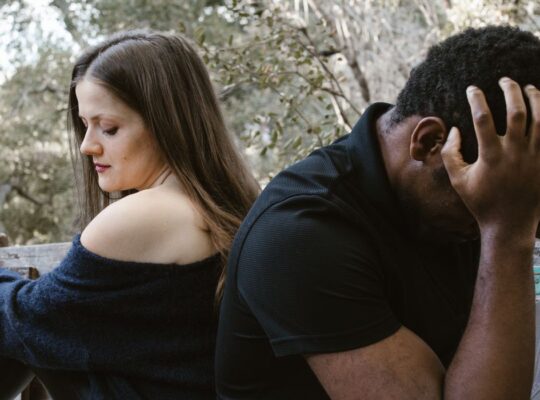
The Psychological and Emotional Truth Behind the Pain
Betrayal doesn’t just end a relationship — it shatters your inner world.
Many women who’ve experienced infidelity, emotional betrayal, or deep dishonesty say the pain feels far worse than a typical breakup. And they’re right. Betrayal cuts deeper, lingers longer, and often rewires how you see love, trust, and even yourself.
So why does betrayal hurt more than a breakup?
The answer lies in psychology, nervous system trauma, attachment wounds, and the collapse of emotional safety.
Let’s unpack what’s really happening beneath the surface — and why your pain makes complete sense.
Betrayal Is a Trauma, Not Just a Loss
A breakup is painful because it represents loss — the loss of a future, a person, a shared identity.
Betrayal, however, is a violation.
When someone betrays you, especially a romantic partner you trusted, your nervous system doesn’t process it as sadness — it processes it as danger.
Your body believed this person was safe.
Your heart opened.
Your nervous system relaxed.
Then suddenly, that safety was ripped away.
This is why betrayal often leads to symptoms similar to post-traumatic stress, including:
- Intrusive thoughts and mental replaying
- Hypervigilance and anxiety
- Emotional numbness or overwhelm
- Sleep disruption
- Difficulty trusting again
This isn’t “overreacting.”
It’s your body responding to trauma.
Betrayal Attacks Your Sense of Reality
One of the most devastating aspects of betrayal is cognitive dissonance — the clash between who you thought your partner was and who they revealed themselves to be.
You’re left questioning:
- Was any of it real?
- How did I not see this?
- Can I trust my own judgment?
A breakup says, “This relationship didn’t work.”
Betrayal says, “Your reality was a lie.”
That level of psychological shock destabilizes your identity and erodes self-trust, which is why betrayal pain often feels so disorienting and consuming.
Trust Is Harder to Grieve Than Love
Love can fade.
People can grow apart.
Relationships can end with mutual understanding.
But trust?
Trust is foundational. It’s the emotional glue that allows intimacy to exist at all.
When betrayal occurs, you’re not just grieving the relationship — you’re grieving:
- The version of the future you believed in
- The safety you felt in intimacy
- Your ability to trust others — and yourself
This is why betrayal often leads to guardedness, emotional walls, or fear of vulnerability long after the relationship ends.
Betrayal Triggers Deep Attachment Wounds
For many women, betrayal reactivates early attachment wounds, even if they weren’t conscious before.
If you’ve ever struggled with:
- Fear of abandonment
- Anxious or avoidant attachment
- Feeling “not enough”
- Over-giving in relationships
Betrayal can confirm your deepest subconscious fears:
- “I’m disposable.”
- “I’m not chosen.”
- “I can’t rely on anyone.”
This makes the pain feel primal — because it is.
Your inner child isn’t just heartbroken.
She feels unsafe.
The Body Holds Onto Betrayal Longer
Breakups are processed largely through grief.
Betrayal is processed through the nervous system.
That’s why logic doesn’t work.
That’s why “moving on” feels impossible.
That’s why closure rarely brings peace.
Until your body feels safe again, the pain stays active.
Healing betrayal requires more than time — it requires regulation, self-reconnection, and rebuilding internal trust.
Betrayal Changes How You Love
Another reason betrayal hurts more than a breakup is because it alters your future relationships.
Many women report:
- Difficulty opening their heart again
- Fear of repeating the same pattern
- Over-analyzing new partners
- Losing faith in love
This isn’t bitterness — it’s protection.
Your system learned that love came with danger, and it’s trying to keep you safe.
Healing doesn’t mean becoming naïve again.
It means becoming discerned, embodied, and self-trusting.
Why Healing Betrayal Is So Personal
Betrayal pain isn’t linear, and it isn’t universal.
Two women can experience the same betrayal and heal in completely different ways.
Because betrayal doesn’t just hurt where the relationship broke — it hurts where you were already vulnerable.
That’s why comparison delays healing.
Your journey is valid exactly as it is.
You’re Not Weak for Hurting This Much
If you’ve ever thought:
- “Why can’t I just get over this?”
- “Why does this still hurt?”
- “What’s wrong with me?”
The answer is: nothing.
Betrayal hurts more than a breakup because it impacts your body, mind, identity, and sense of safety all at once.
Healing isn’t about forgetting.
It’s about reclaiming yourself.
And when you do, you don’t just heal the wound — you rise wiser, stronger, and more deeply connected to your truth.